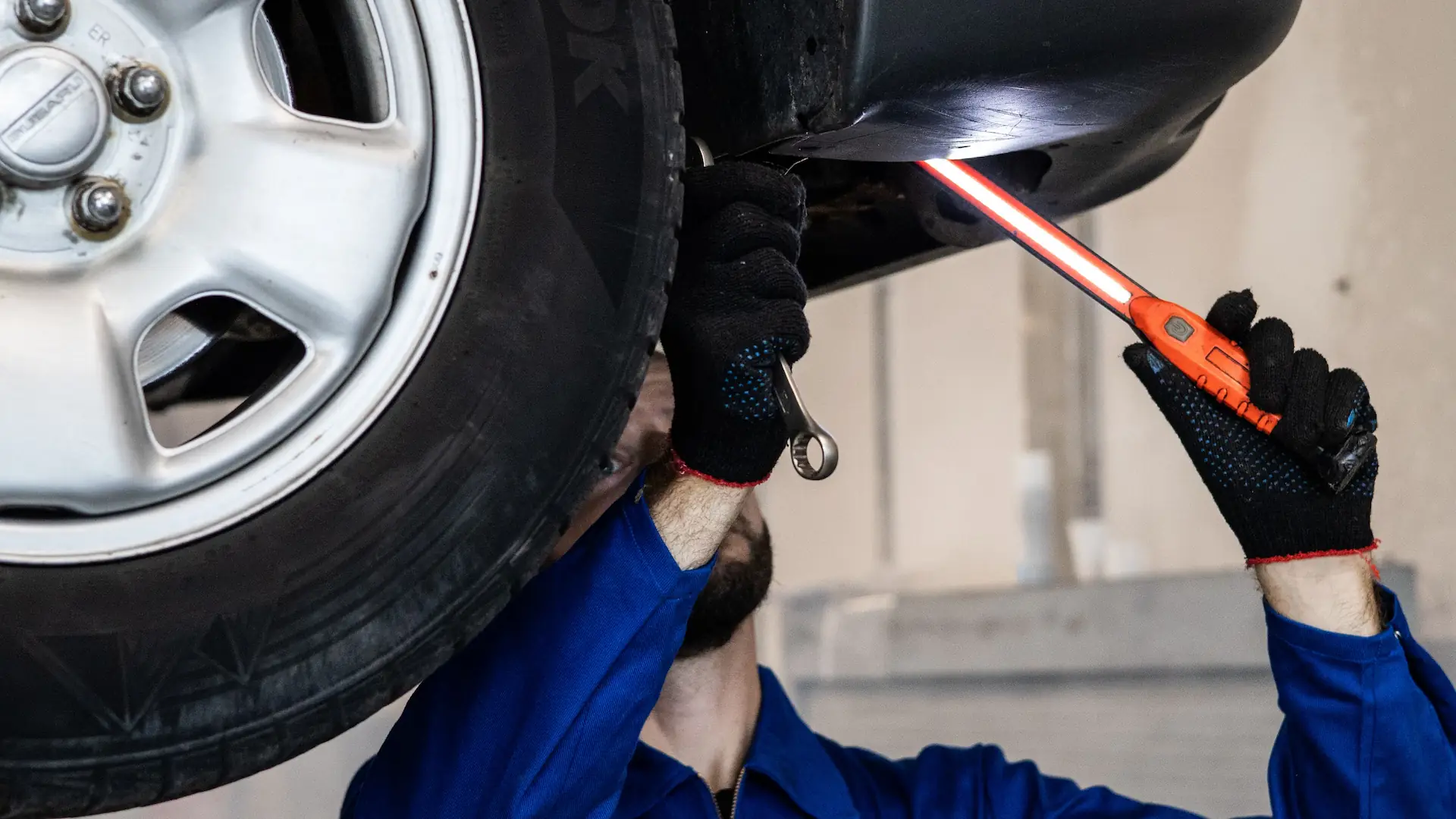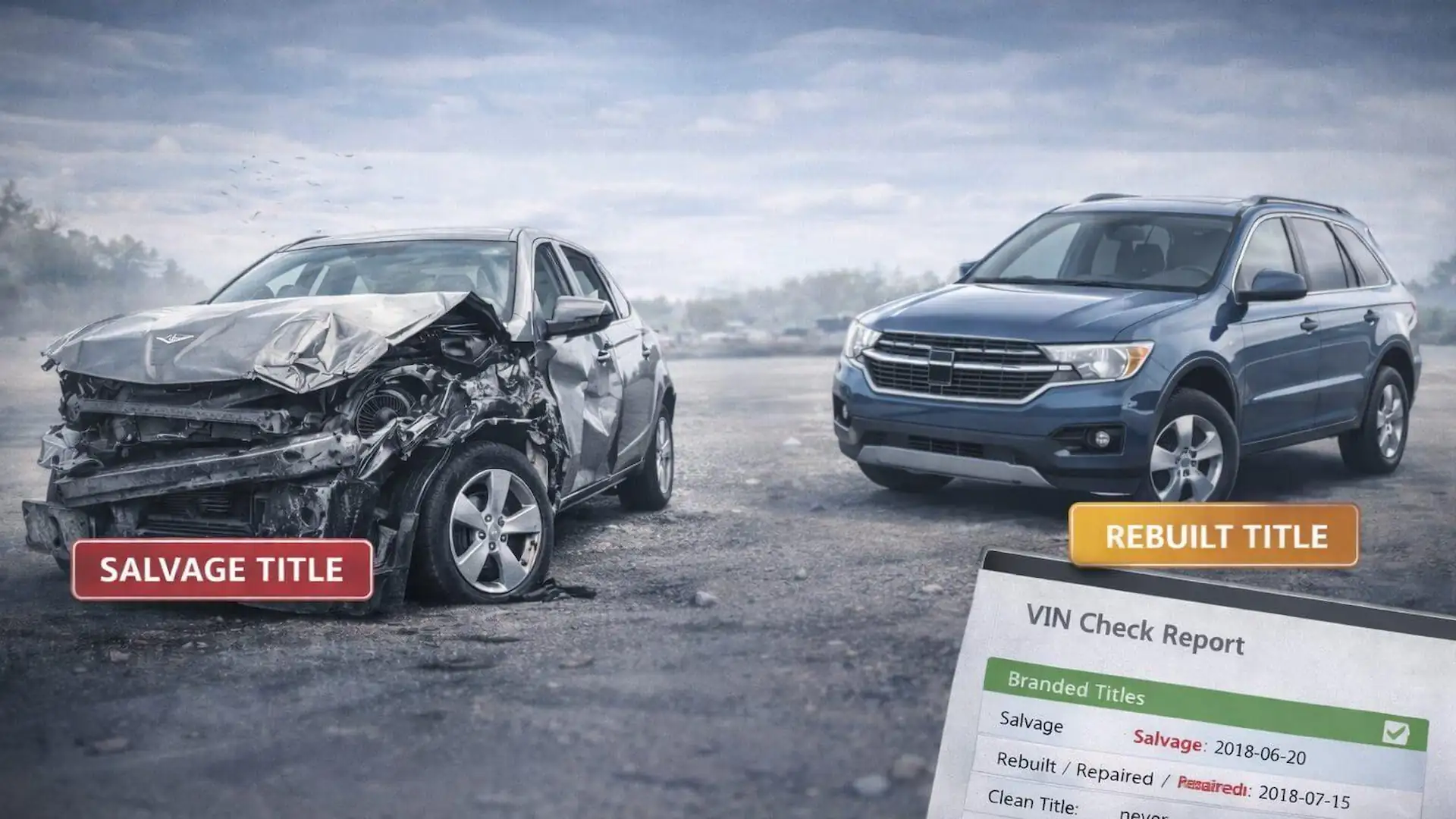
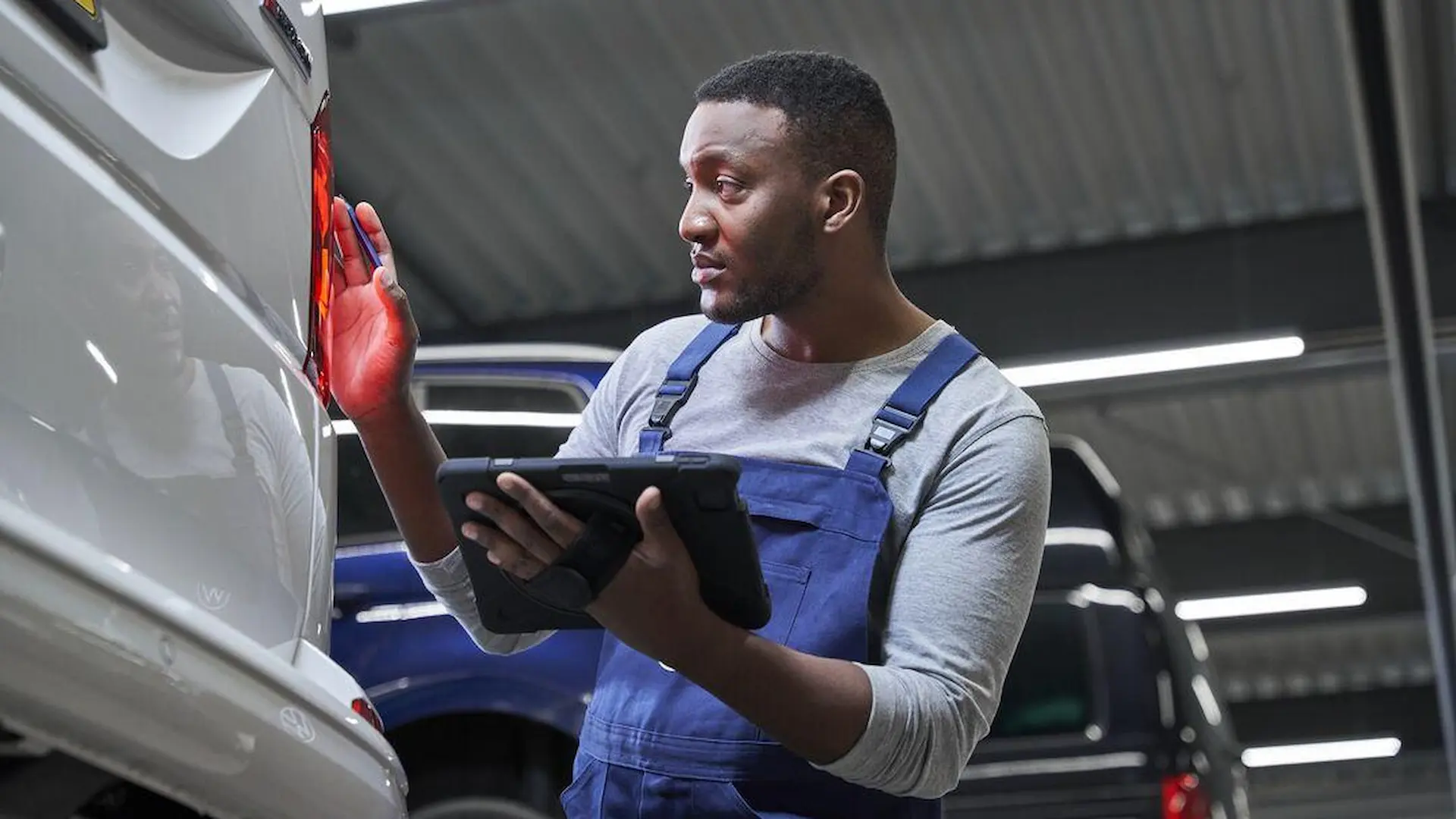
The best way to pass a VSSI inspection on the first try is to check for the same things the inspector will, before you show up. Most failures come from a short list of predictable issues, and almost all of them are things you or a shop can catch ahead of time.
Here’s what to run through before you book your official inspection.
1. Check for open recalls
Look up your VIN on the manufacturer’s website or ask your shop to run it. An open recall will fail your VSSI regardless of how well the rest of the vehicle was repaired, and recall work is free at any dealership. This is the single most common reason vehicles fail, so it’s worth checking first.
2. Test every light
Headlights, brake lights, turn signals, hazards, and reverse lights. Aftermarket bulbs and housings sometimes don’t meet the spec the inspection checks against, so if anything was replaced with non-OEM parts, have it looked at.
3. Have your brakes inspected
Pads, rotors, fluid level, and pedal feel. If any brake components were reused during the original repair instead of replaced, this is where it tends to show up.
4. Confirm the airbag light is off
Start the car and watch the dash. If the SRS or airbag warning light stays on, the restraint system likely wasn’t fully reconnected or reset after the repair, and that’s an automatic fail.
5. Check the windshield for cracks or chips
Even a small crack can fail the inspection, since the windshield plays a structural role in how the airbags deploy. If there’s damage, get it replaced before the inspection, not after.
6. Check tire tread and condition
Tread depth, uneven wear, and whether the tires actually match the vehicle’s rating. This is one of the cheapest items on this list to fix and one of the more common failures.
7. Look for a TPMS warning light
If the tire pressure light stays on even after your tires are properly inflated, it’s likely a sensor issue rather than an actual pressure problem, and it needs to be diagnosed before the inspection, not during it.
8. Confirm your structural repair paperwork is in order
If a shop did frame or structural work as part of your original repair, keep that documentation. It’s not always required, but having it on hand speeds things up if the inspector has questions about prior repairs.
Skip the guesswork
You can run through this list yourself, or bring the vehicle in and we’ll check all of it before submitting for the official inspection. Since Chase Auto Body handles both collision repair and VSSI inspections, if something on this list needs fixing, we can usually take care of it the same visit instead of sending you somewhere else and starting over.
Book a pre-inspection check or call (818) 813-2999. We serve North Hills, Van Nuys, Panorama City, and the surrounding San Fernando Valley.
FAQ
Can I do a VSSI pre-check myself?
You can check most of this list yourself, but items like brake condition, structural repairs, and TPMS sensor issues are worth having a shop look at, since they’re harder to judge without the right equipment.
How long does a pre-inspection check take?
It depends on what needs to be looked at, but for most vehicles it can be done same-day.
What if my car fails after I’ve already checked all of this?
Occasionally an issue only shows up during the official road test or diagnostic scan. If that happens, we’ll walk you through exactly what needs fixing before re-submitting.